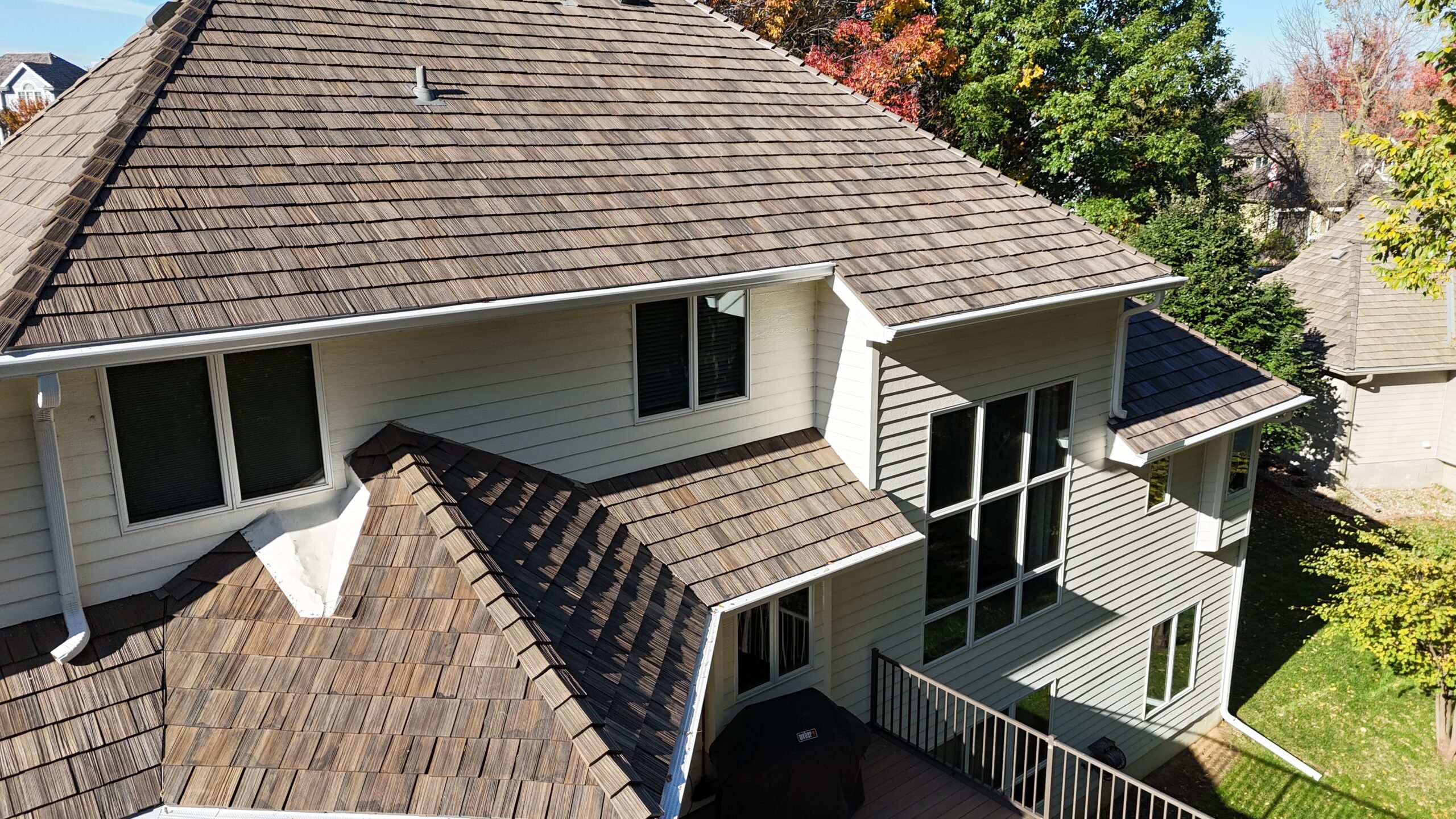
What Happens During a Professional Roof Inspection?
By AGR Roofing and Construction • October 5, 2026
Professional Roof Inspections in Nebraska and Iowa & What Homeowners Can Expect
A roof plays an important role in protecting your home from the elements, but damage and wear aren’t always easy to spot from the ground. Scheduling a professional roof inspection can help homeowners identify potential problems early, prevent costly repairs, and maintain the longevity of their roofing system. Whether your roof has recently experienced severe weather or is simply showing signs of age, understanding what happens during a roof inspection can help you make informed decisions about your home’s maintenance.
Why Is a Professional Roof Inspection Important?
Your roof is exposed to changing temperatures, heavy rainfall, high winds, hail, and other weather conditions throughout the year. Over time, these elements can cause roofing materials to deteriorate, creating vulnerabilities that may eventually lead to leaks or structural damage.
A professional roof inspection provides a closer look at your roofing system and helps identify concerns that may otherwise go unnoticed. Even if your roof appears to be in good condition, an inspection can uncover loose shingles, deteriorating flashing, or other issues that could worsen over time.
For homeowners in Eastern Nebraska and Western Iowa, routine inspections are especially helpful due to seasonal weather changes and the potential for severe storms. Identifying problems early allows you to address necessary repairs, plan for future maintenance, and avoid more extensive damage.
What Does a Professional Roof Inspection Include?
A professional roof inspection involves evaluating the visible components of your roofing system to assess their condition, identify damage, and determine whether repairs or maintenance may be needed. While the exact process can vary depending on your roof’s age, materials, and accessibility, most inspections include several key steps.
Shingle and Roofing Material Assessment
One of the first areas a roofing contractor evaluates is the condition of the roofing materials. For asphalt shingle roofs, this means looking for missing, cracked, curling, lifted, or deteriorating shingles. Contractors may also check for granule loss, discoloration, and signs of impact damage caused by hail or falling debris.
For other roofing systems, the inspection will focus on material-specific concerns, such as damaged seams, loose panels, or deteriorating surface coatings. Identifying these issues helps determine whether localized repairs may be sufficient or if more extensive work should be considered.
Flashing, Vents, and Roof Penetrations
Flashing helps prevent water from entering vulnerable areas where roofing materials meet chimneys, skylights, vents, and other roof features. During an inspection, contractors examine these areas for loose or damaged flashing, deteriorated sealants, and gaps that could allow moisture to penetrate the roof.
Roof penetrations and joints can be particularly vulnerable to leaks as materials age or shift. Checking these areas helps identify potential entry points for water before they cause damage to the underlying roof structure or interior of your home.
Gutters and Drainage Systems
Proper drainage is essential for protecting your roof and the rest of your home from moisture-related damage. A roof inspection may include checking gutters and downspouts for clogs, sagging, loose connections, or signs of improper drainage.
When water cannot drain effectively, it may accumulate along the roofline or overflow near the home’s foundation. Identifying these concerns can help prevent moisture damage to roofing components, fascia, soffits, and other exterior features.
Attic Ventilation and Signs of Moisture
When attic access is available, contractors may also evaluate ventilation and look for signs of moisture intrusion. Proper ventilation helps regulate attic temperatures and manage moisture buildup, which can be particularly important during Nebraska’s cold winter months.
Roofing professionals may look for water stains, damp insulation, mold-like growth, condensation, or other indicators of potential ventilation or moisture issues. These findings can help identify problems that may not be visible from the exterior of the home.
What Happens After the Roof Inspection?
Once the inspection is complete, your roofing contractor will review their findings and explain the overall condition of your roof. If any damage or areas of concern are identified, they can provide recommendations for addressing those issues based on their severity and the condition of the roofing system.
Depending on the findings, recommendations may include:
Minor Roof Repairs: Replacing damaged shingles, resealing vulnerable areas, or repairing flashing to prevent water intrusion.
Preventative Maintenance: Addressing drainage concerns, securing loose roofing materials, or resolving other issues that could lead to future damage.
Storm Damage Restoration: Repairing damage caused by hail, wind, or other severe weather to restore your roof’s protective capabilities.
Roof Replacement: Considering a new roof when extensive damage, widespread deterioration, or the age of the existing system makes continued repairs impractical.
A professional inspection should help you understand which issues need immediate attention and which can be monitored over time. Your contractor may also provide photos or other documentation of the areas inspected, helping you better understand the recommendations and plan your next steps.
How Should You Prepare for a Roof Inspection?
Most professional roof inspections require very little preparation from homeowners. However, taking a few simple steps beforehand can help make the process smoother and ensure your contractor has the information they need.
Before your scheduled inspection, consider:
Noting Any Existing Concerns: Make a list of issues you’ve noticed, such as water stains on ceilings, missing shingles, leaks, or unusual sounds during storms.
Sharing Recent Storm History: Let your contractor know if your home has experienced recent hail, high winds, or other severe weather that may have affected the roof.
Providing Attic Access: If your inspection includes an attic assessment, make sure the access point is clear and easily accessible.
Clearing the Area Around Your Home: Move vehicles and outdoor furniture away from areas where the contractor may need to position equipment or access the roof.
You do not need to climb onto your roof or attempt to inspect potentially damaged areas yourself. A qualified roofing professional has the appropriate experience and equipment to evaluate your roofing system safely.
When Should You Schedule a Professional Roof Inspection?
While annual inspections can help homeowners stay ahead of routine wear and tear, certain situations may warrant an additional assessment. Scheduling a professional inspection after a severe storm, for example, can help identify damage that may not be immediately visible.
You should also consider scheduling an inspection if you notice missing or damaged shingles, water stains inside your home, sagging areas, or unexplained moisture in your attic. If you’re preparing to buy or sell a home, an inspection can also provide valuable insight into the roof’s current condition.
Fall is another practical time to schedule an inspection, as it gives homeowners an opportunity to address roofing concerns before freezing temperatures, snow, and ice arrive. Identifying potential problems ahead of winter can help reduce the risk of unexpected leaks and weather-related damage.
Schedule a Professional Roof Inspection With AGR Roofing & Construction
Regular roof inspections are an important part of protecting your home, maintaining your roofing system, and addressing minor issues before they become more extensive repairs. Whether your roof has recently experienced storm damage, is showing signs of age, or simply hasn’t been inspected in a while, a professional assessment can help you understand its condition and determine the next steps.
By AGR Roofing and Construction • September 24, 2026
Choosing the Right Siding for Your Home in Eastern Nebraska and Western Iowa Your home’s siding does more than determine its appearance. It also helps protect the structure from moisture,
By AGR Roofing and Construction • September 16, 2026
Protect Your Omaha Business With Proactive Commercial Roof Maintenance A commercial roof plays an important role in protecting your building, employees, equipment, inventory, and business operations from the elements. When
By AGR Roofing and Construction • September 10, 2026
Protect Your Home After Storm Damage in Eastern Nebraska and Western Iowa Fall storms can bring strong winds, heavy rain, hail, and other severe weather to Omaha and surrounding communities.