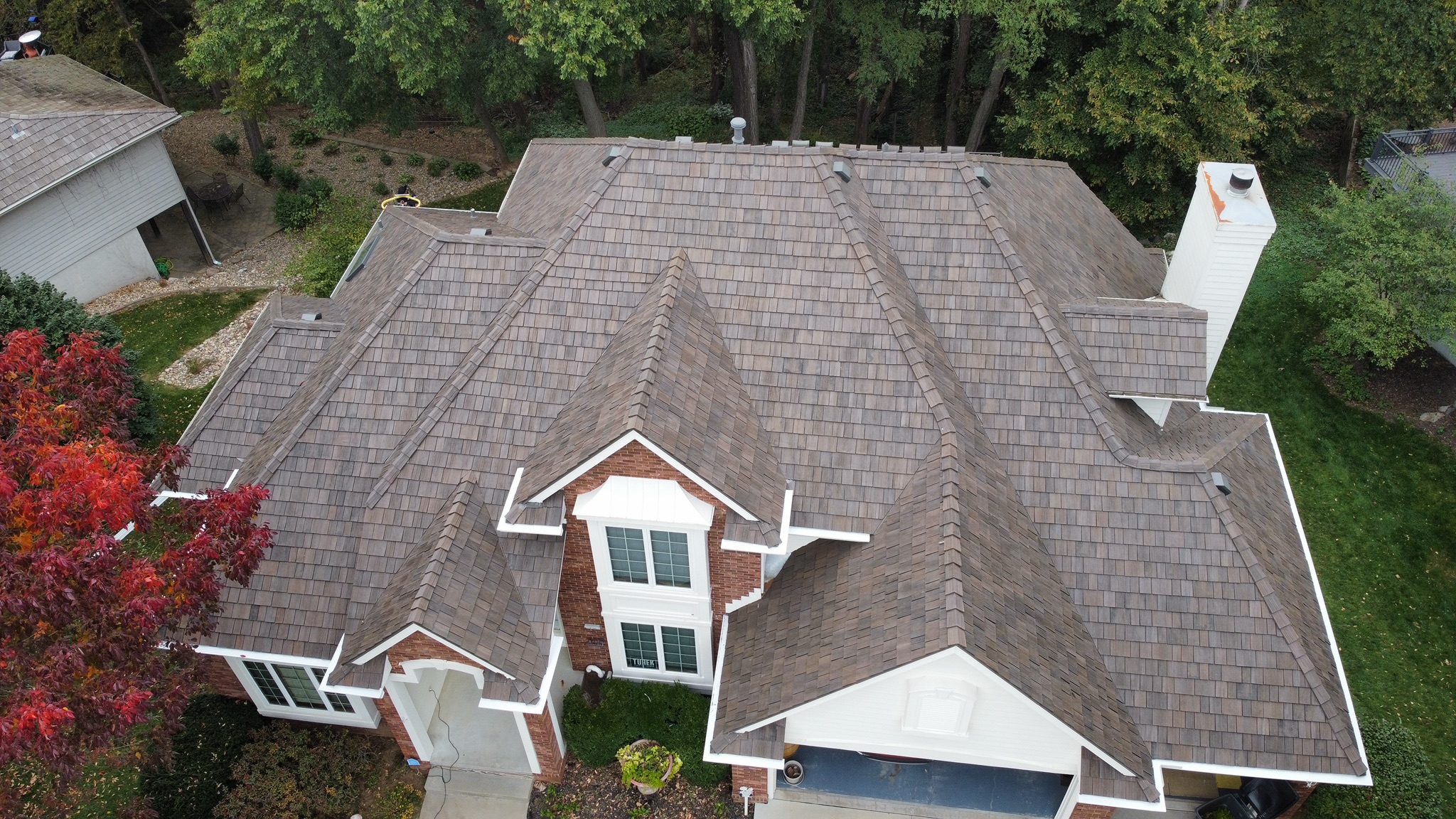
How Long Does an Asphalt Shingle Roof Last in Nebraska?
By AGR Roofing and Construction • November 4, 2026
Understanding Asphalt Shingle Roof Lifespans in Eastern Nebraska and Western Iowa
Your roof is one of the most important components of your home’s exterior, providing protection from rain, wind, hail, snow, and changing temperatures. However, even a well-installed roofing system will eventually show signs of age and require replacement. For homeowners with asphalt shingles, understanding how long their roof should last can help them plan for maintenance, recognize potential problems, and make informed decisions about their property’s upkeep.
So, how long does an asphalt shingle roof last in Nebraska? While many asphalt shingle roofs are designed to last approximately 20 to 30 years, actual lifespans can vary depending on the materials used, installation quality, maintenance, and exposure to severe weather. In Eastern Nebraska and Western Iowa, frequent storms, hail, strong winds, and seasonal temperature changes can contribute to premature roofing deterioration.
Understanding what affects your roof’s longevity can help you protect your investment and determine when it may be time to consider repairs or a replacement.
How Long Do Different Types of Asphalt Shingles Last?
Not all asphalt shingles are manufactured the same way. Different shingle styles offer varying levels of durability, weather resistance, and expected performance.
Two of the most common types of asphalt shingles used on residential properties include:
Three-Tab Asphalt Shingles
Three-tab shingles are a traditional roofing option known for their relatively affordable installation costs and uniform appearance. They are generally thinner and lighter than other asphalt shingle varieties, making them more susceptible to wind and weather-related wear. Depending on installation and environmental conditions, three-tab shingles typically last around 15 to 20 years.
Architectural Asphalt Shingles
Architectural shingles, sometimes called dimensional or laminate shingles, feature multiple layers that create a thicker, more textured appearance. Their construction generally provides greater durability and improved wind resistance compared to traditional three-tab shingles. Architectural asphalt shingles commonly have expected lifespans of approximately 25 to 30 years under favorable conditions.
Although manufacturer warranties can provide an indication of expected product performance, they do not guarantee that a roof will reach its full advertised lifespan. Local weather conditions, installation practices, and ongoing maintenance all influence how long your roofing system actually lasts.
How Nebraska Weather Affects Asphalt Shingle Roof Lifespans
Homeowners throughout Eastern Nebraska and Western Iowa know that local weather can change significantly throughout the year. From hot summer temperatures to freezing winter conditions, residential roofing systems experience considerable seasonal stress.
Several weather-related factors can influence how long an asphalt shingle roof lasts.
Hail and Severe Storms
Hail is one of the most significant threats to asphalt shingle roofing. Hailstones can damage shingles by dislodging protective granules, bruising the underlying material, or creating cracks that compromise the roof’s ability to repel moisture.
Strong thunderstorms can also bring heavy rainfall and high winds that loosen shingles, damage flashing, and expose vulnerable areas of the roof. Even when damage isn’t immediately visible, repeated storm exposure can contribute to premature deterioration.
Extreme Temperature Changes
Nebraska experiences considerable temperature fluctuations throughout the year. During summer, prolonged exposure to sunlight and high temperatures can accelerate shingle aging. In winter, freezing temperatures and repeated freeze-thaw cycles can place additional stress on roofing materials.
As temperatures fluctuate, roofing components naturally expand and contract. Over time, these changes can contribute to material deterioration, particularly when shingles are already damaged or nearing the end of their expected lifespan.
Snow and Ice Accumulation
Winter weather can also affect the condition of asphalt shingles. Snow and ice accumulation may contribute to moisture-related problems, especially when water becomes trapped along the roofline or beneath damaged shingles.
Ice dams, in particular, can prevent melting snow from draining properly. When water backs up beneath roofing materials, it may eventually enter the home and damage the roof decking, insulation, and interior surfaces.
What Factors Influence How Long an Asphalt Roof Lasts?
While weather plays an important role in roofing longevity, several other factors determine how well asphalt shingles perform over time.
Installation Quality: Proper installation is essential for getting the expected performance from your roofing materials. Incorrect shingle placement, inadequate fastening, improperly installed flashing, and other installation issues can create vulnerabilities that lead to premature roof deterioration.
Attic Ventilation: Proper attic ventilation helps regulate temperatures and manage moisture buildup beneath the roof. Inadequate ventilation can contribute to excessive attic heat during summer and condensation during winter, potentially accelerating shingle deterioration and creating conditions that contribute to ice dams.
Roof Maintenance: Routine inspections and timely repairs can help identify developing problems before they become more extensive. Replacing damaged shingles, addressing deteriorating flashing, and maintaining proper drainage can all support the long-term performance of your roofing system.
Roofing Material Quality: The type and quality of asphalt shingles installed on your home can also influence overall durability. Higher-quality architectural shingles and impact-resistant options may provide additional protection against certain weather-related concerns.
Signs Your Asphalt Shingle Roof May Be Nearing the End of Its Lifespan
Asphalt shingles generally deteriorate gradually, making it important to recognize warning signs before more significant roofing problems develop.
If your roof is approaching 20 years of age or has experienced repeated storm damage, consider watching for the following signs:
Curling or Cracked Shingles: Shingles that curl along the edges, develop cracks, or become brittle may indicate age-related deterioration.
Missing or Loose Shingles: High winds and severe storms can loosen or remove shingles, leaving portions of the roof vulnerable to moisture.
Excessive Granule Loss: Finding large amounts of shingle granules in your gutters or near your downspouts may indicate that your roofing materials are deteriorating.
Frequent Roof Leaks: Recurring leaks or water stains on ceilings and walls may indicate underlying roofing damage that requires attention.
Visible Sagging: Uneven or sagging areas along the roofline may point to problems involving the underlying roof structure or decking.
Repeated Storm Damage: If your roof has sustained multiple hail or wind damage events, its overall condition may be worse than its age alone suggests.
Not every aging roof needs immediate replacement. In some cases, targeted repairs may be enough to address isolated damage and extend the roof’s remaining service life. A professional roof inspection can help determine the most appropriate solution based on your roofing system’s overall condition.
How to Extend the Lifespan of Your Asphalt Shingle Roof
Although you cannot prevent every form of weather-related damage, taking a proactive approach to roof maintenance can help preserve your roofing system.
Homeowners can support longer roof performance by following a few important maintenance practices:
Schedule Routine Roof Inspections: Have your roof professionally evaluated to identify damaged shingles, deteriorating flashing, and other potential concerns. Additional inspections after significant hail or wind events can help uncover hidden damage.
Maintain Proper Attic Ventilation: Ensure your attic has balanced ventilation to help regulate temperatures and control moisture throughout the year.
Keep Gutters Clear: Remove leaves and other debris from gutters and downspouts to support proper drainage and reduce the risk of water-related damage.
Address Repairs Promptly: Have missing shingles, roof leaks, and damaged flashing repaired before moisture can penetrate the underlying roofing structure.
Monitor Your Roof’s Condition: Keep track of your roof’s age, previous repairs, and storm damage history to better understand when maintenance or replacement may become necessary.
These practices can help homeowners identify potential problems early and make informed decisions about maintaining or replacing their roofs.
Schedule a Roof Inspection With AGR Roofing & Construction
Knowing how long an asphalt shingle roof lasts is an important part of planning for your home’s long-term maintenance. However, your roof’s age alone doesn’t determine whether it needs repairs or replacement. Its overall condition, installation history, and exposure to Nebraska’s changing weather conditions all play a role.
At AGR Roofing & Construction, we provide professional roof inspections, repairs, replacements, and storm damage restoration for homeowners throughout Eastern Nebraska and Western Iowa. Our team can evaluate your asphalt shingle roofing system, identify areas of concern, and provide honest recommendations based on its current condition.
Whether your roof is showing signs of age, has experienced recent hail damage, or simply hasn’t been inspected in several years, we’re here to help you understand your options. We offer free, no-obligation roof inspections with photo reports so you can make informed decisions about protecting your home.
Contact AGR Roofing & Construction today at (402) 983-9607 to schedule your free roof inspection and learn more about maintaining your home’s roofing system.
By AGR Roofing and Construction • November 11, 2026
Comparing Commercial Roofing Materials for Businesses in Eastern Nebraska and Western Iowa Choosing the right roofing system is an important investment for any commercial property owner. A dependable roof protects
By AGR Roofing and Construction • October 28, 2026
Commercial Roof Winter Preparation in Nebraska and Iowa Winter weather can put significant stress on a commercial roofing system. Freezing temperatures, snow, ice, wind, and fluctuating temperatures can expose existing
By AGR Roofing and Construction • October 21, 2026
Attic Ventilation and Winter Roof Protection in Nebraska and Iowa As temperatures drop across Nebraska and Iowa, homeowners begin preparing their properties for freezing weather, snow, and ice. While many